Fotografía · 2022
Nunca me voy a transformar en ti
Un álbum de lo que no se fotografió
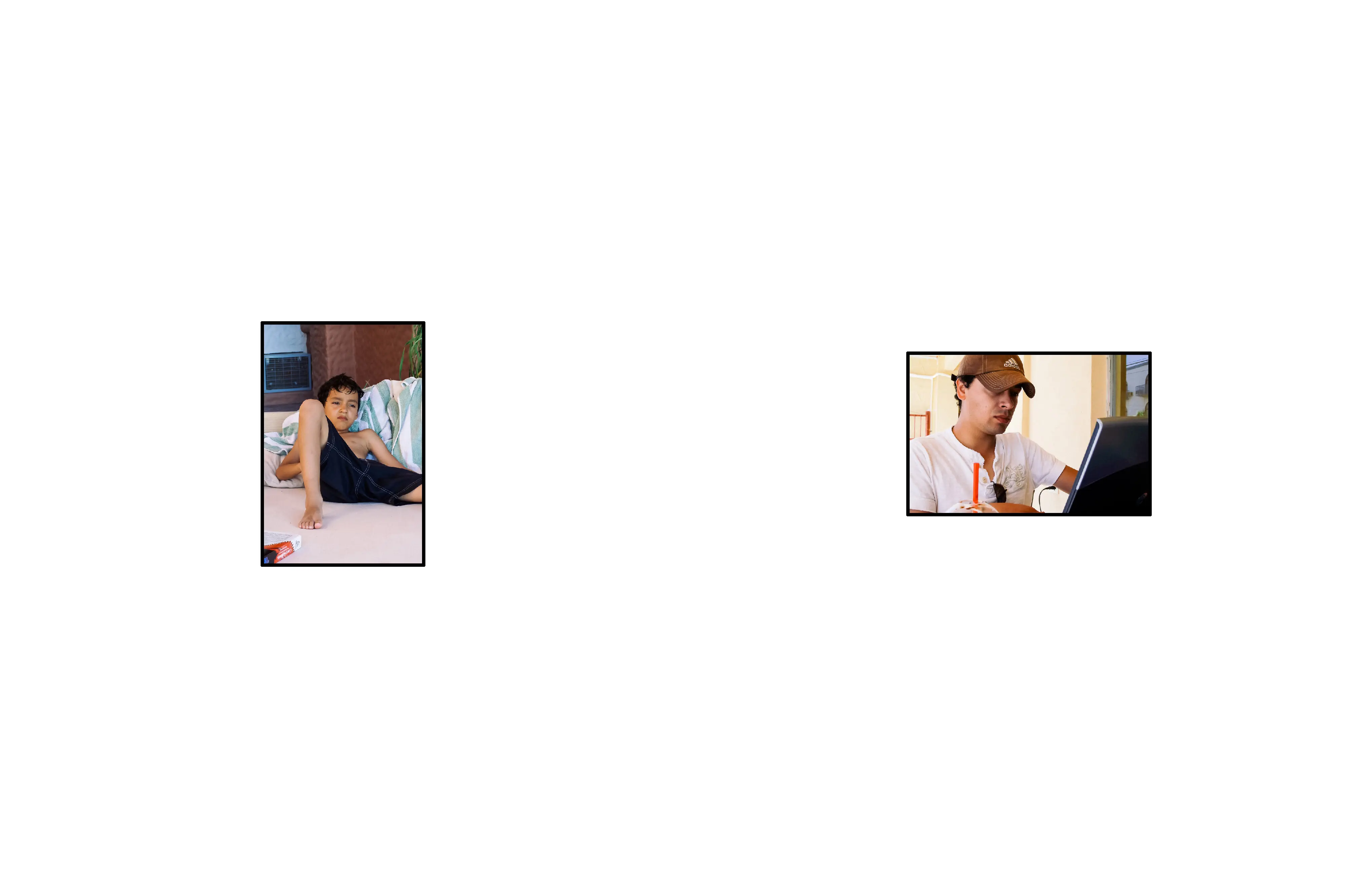
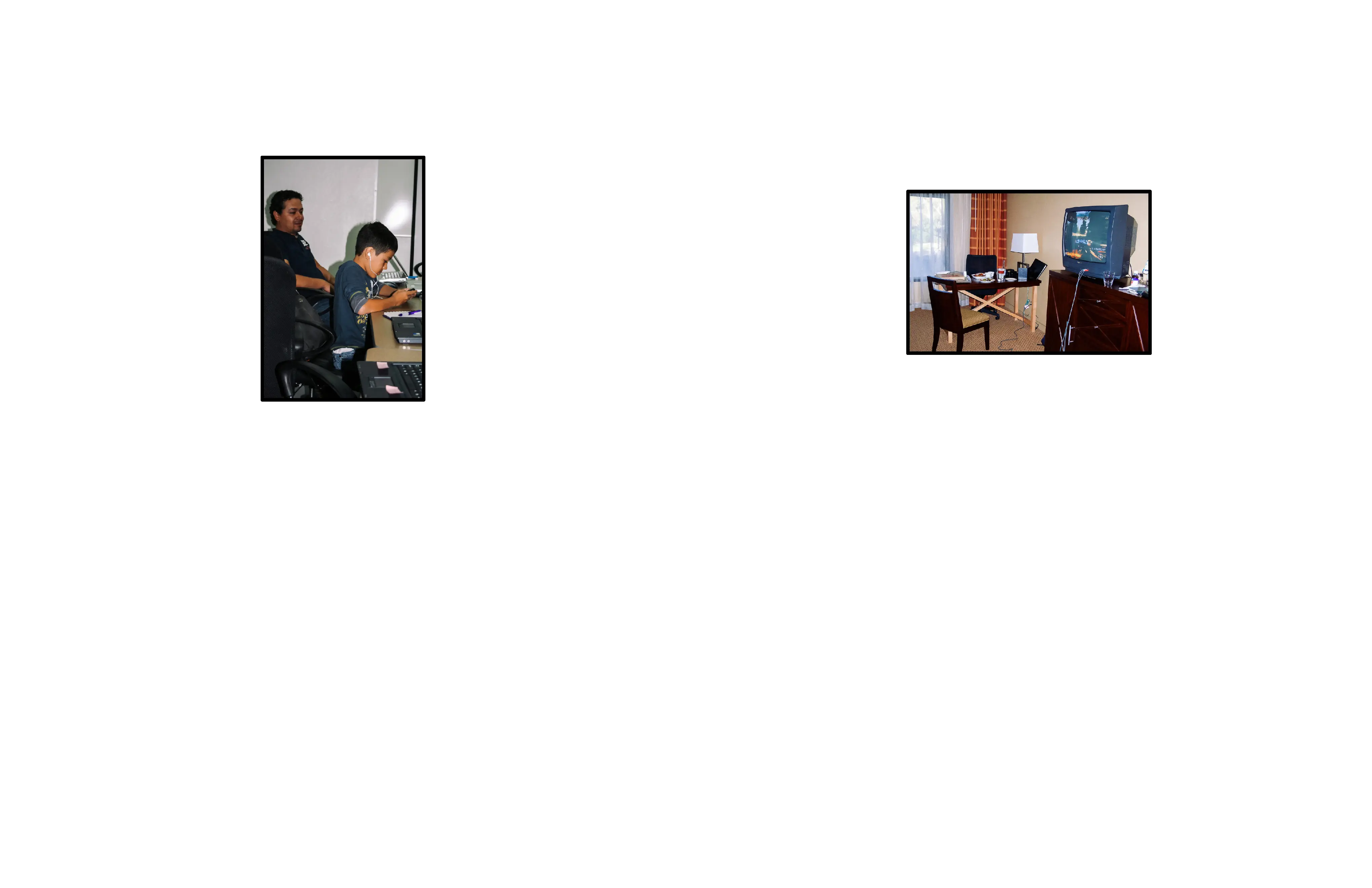
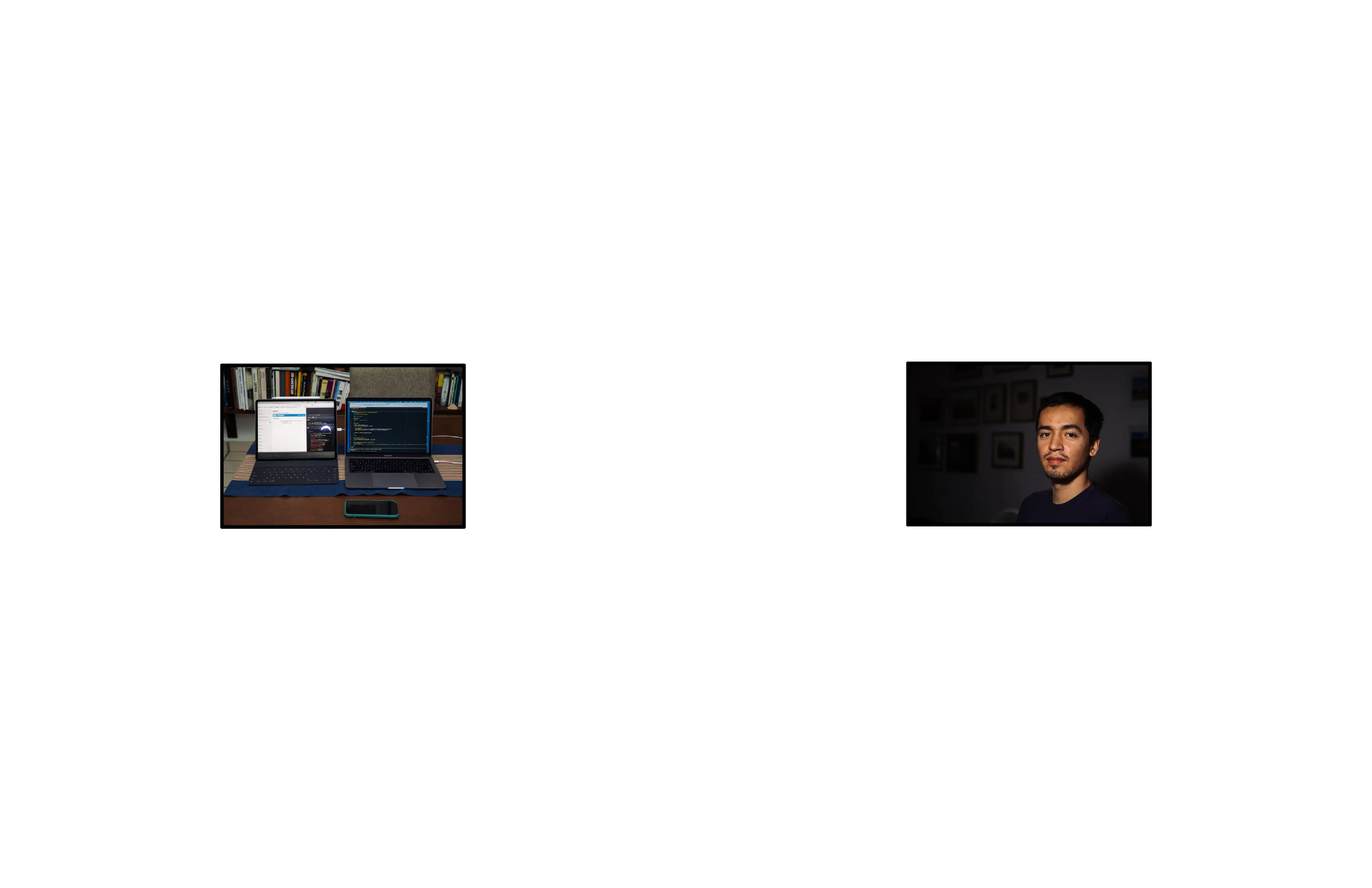
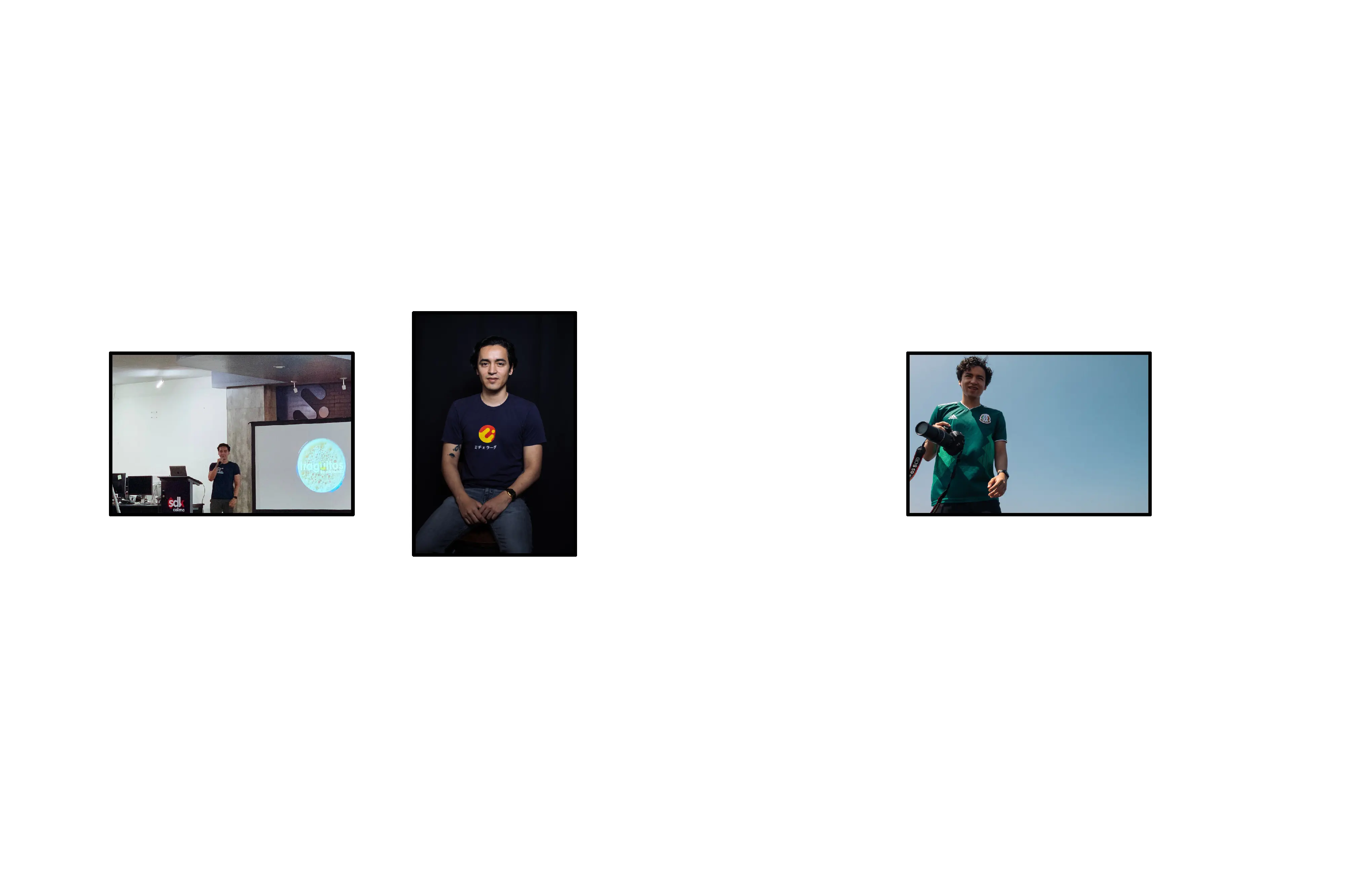
Cuando mi hijo Alexis era pequeño y me acompañaba a reuniones con otros desarrolladores de software, le preguntaban si se iba a dedicar a lo mismo que su papá. Siempre respondía que no — no sabía a qué, pero no quería estar todo el día frente a un computador. Años después se convirtió en desarrollador de software. Hace poco me preguntó por una cámara que quería comprar. Hoy tampoco comparte aquella respuesta.
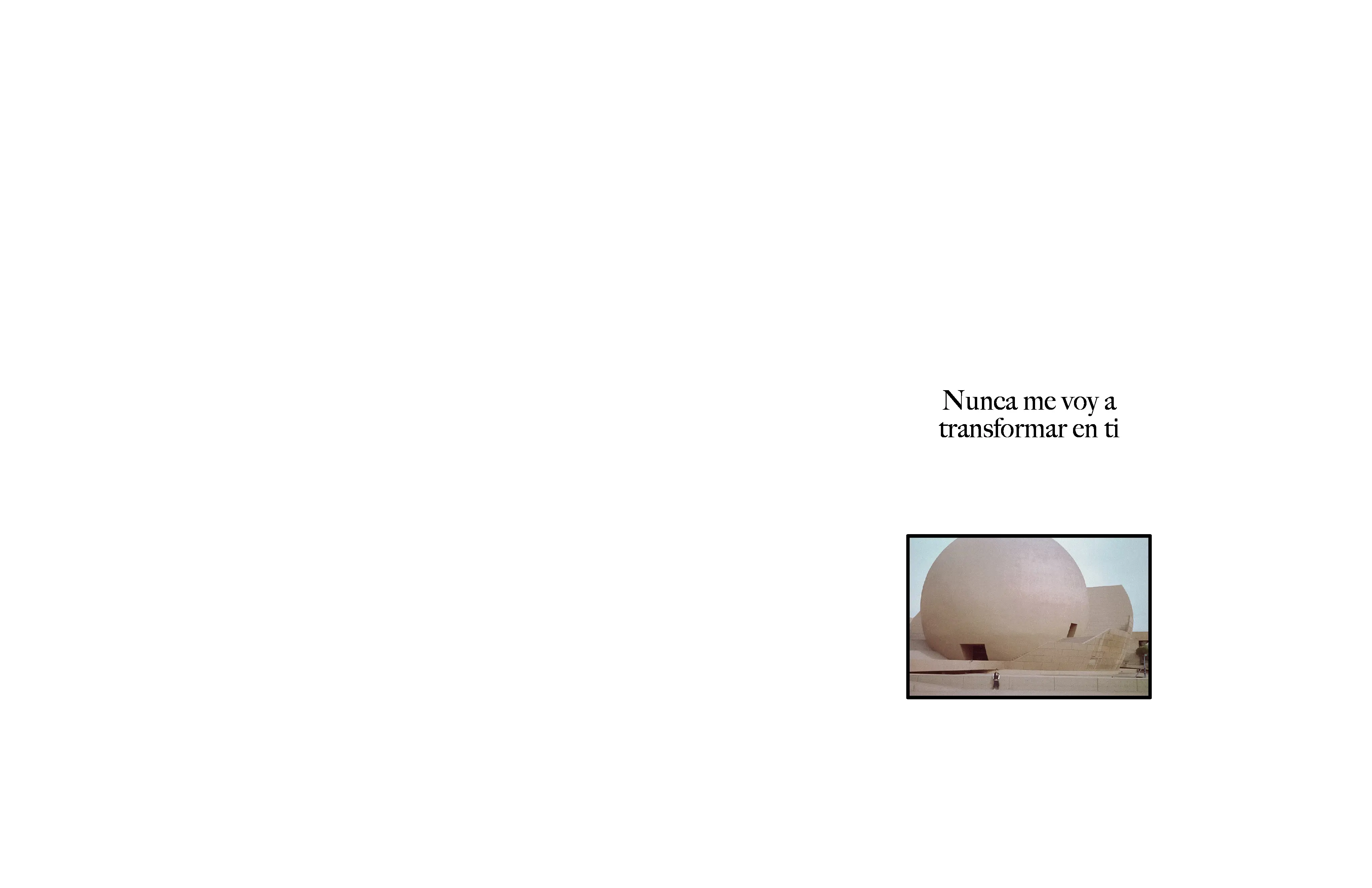
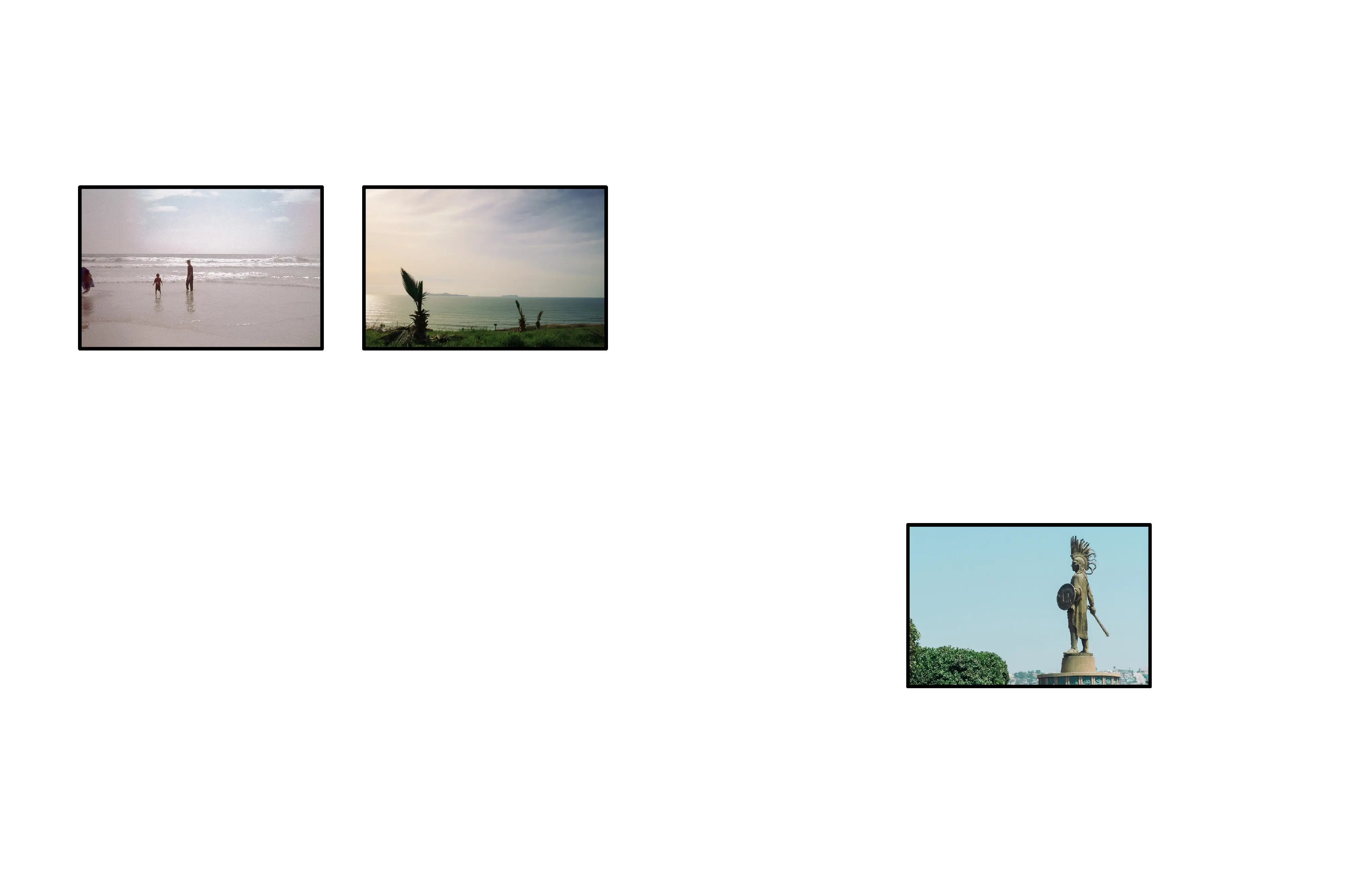
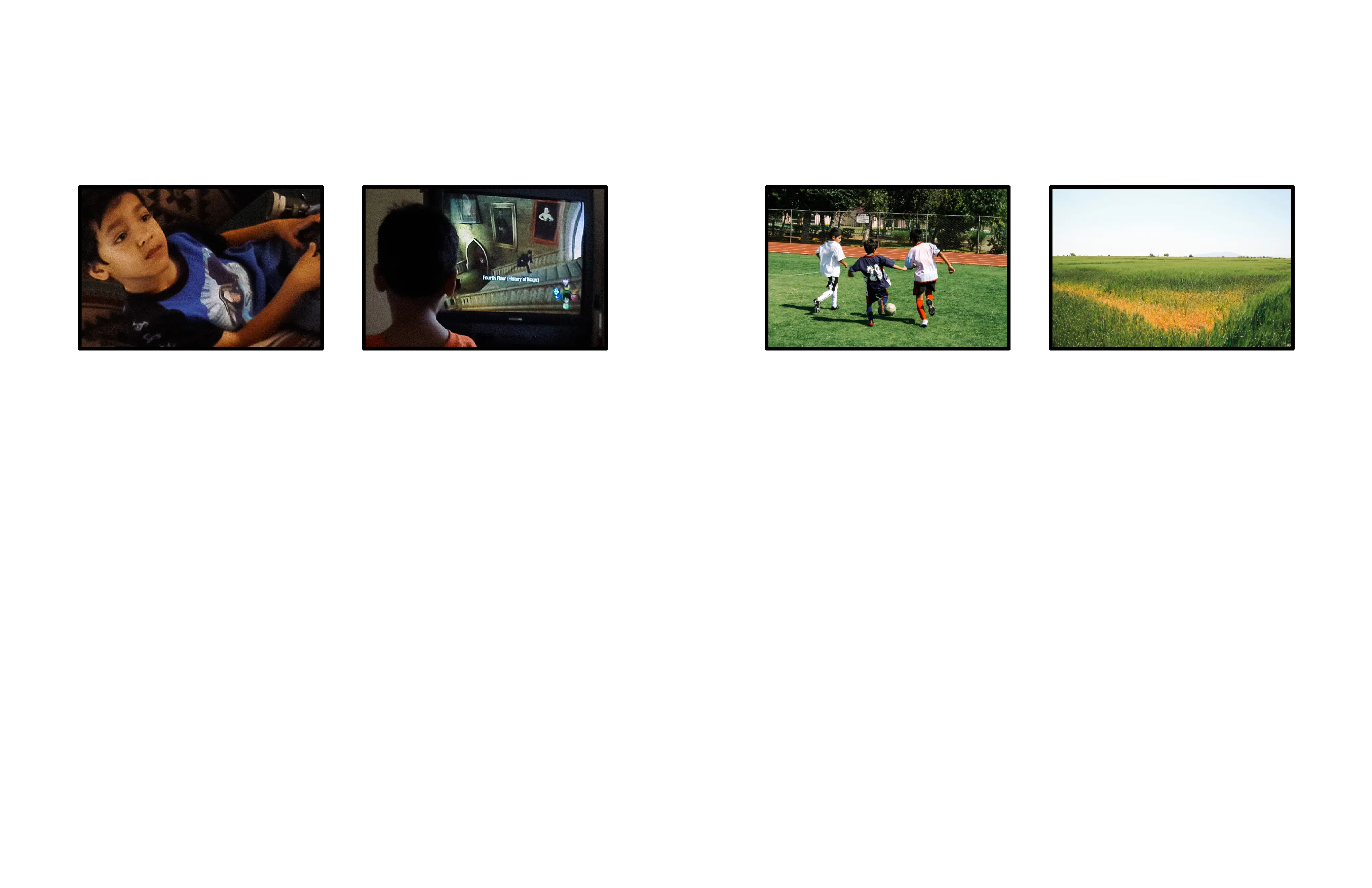
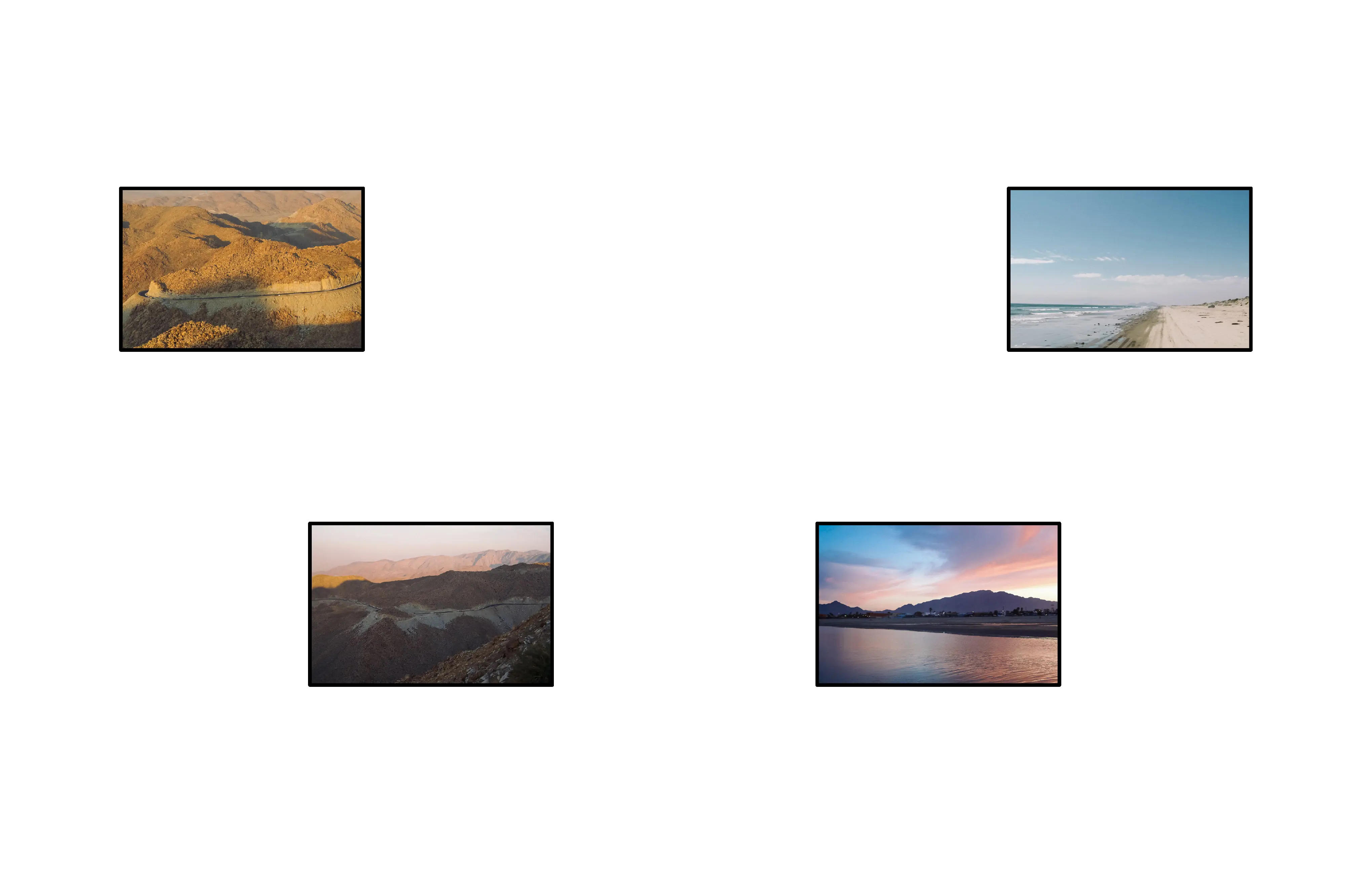
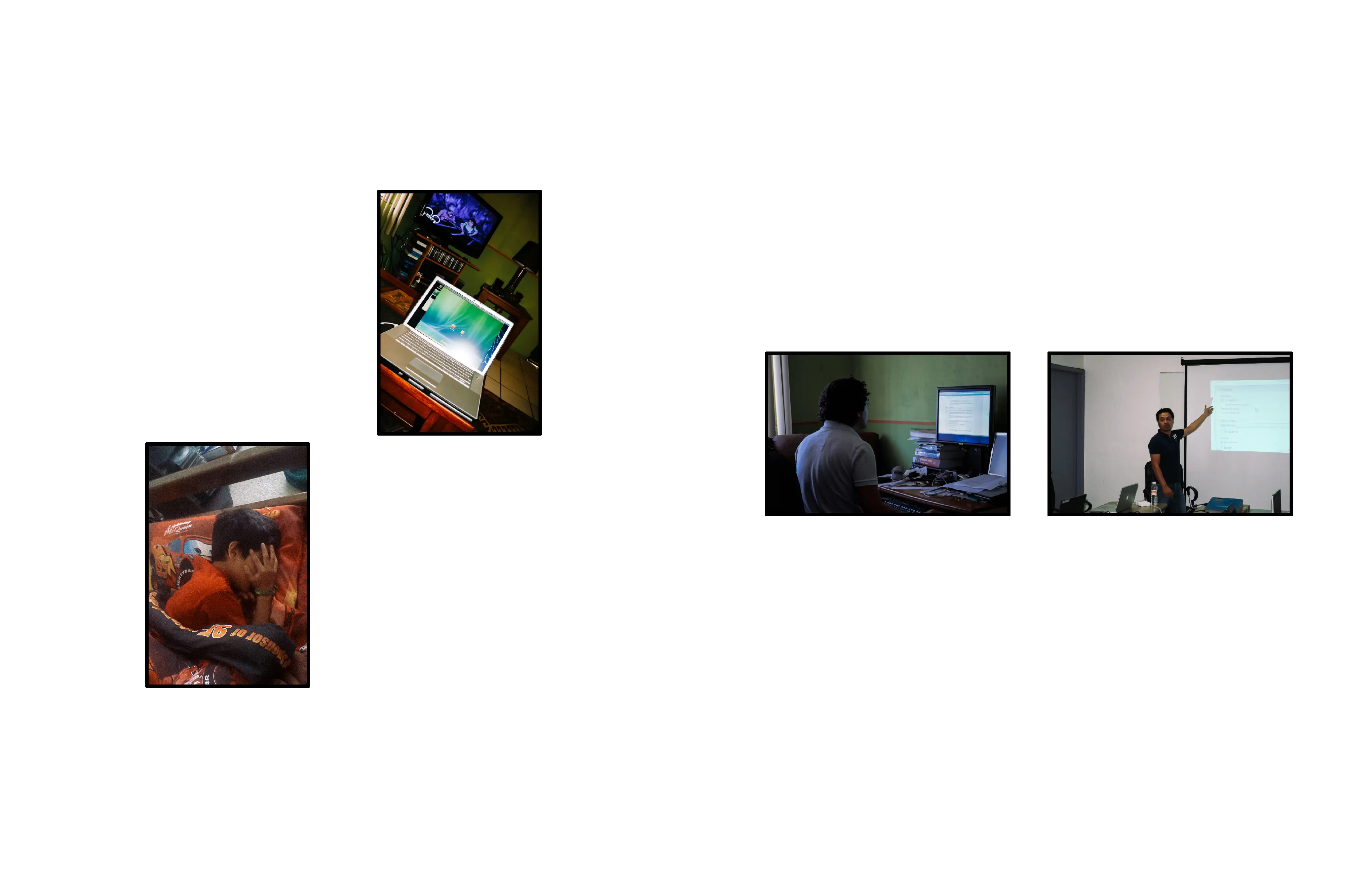
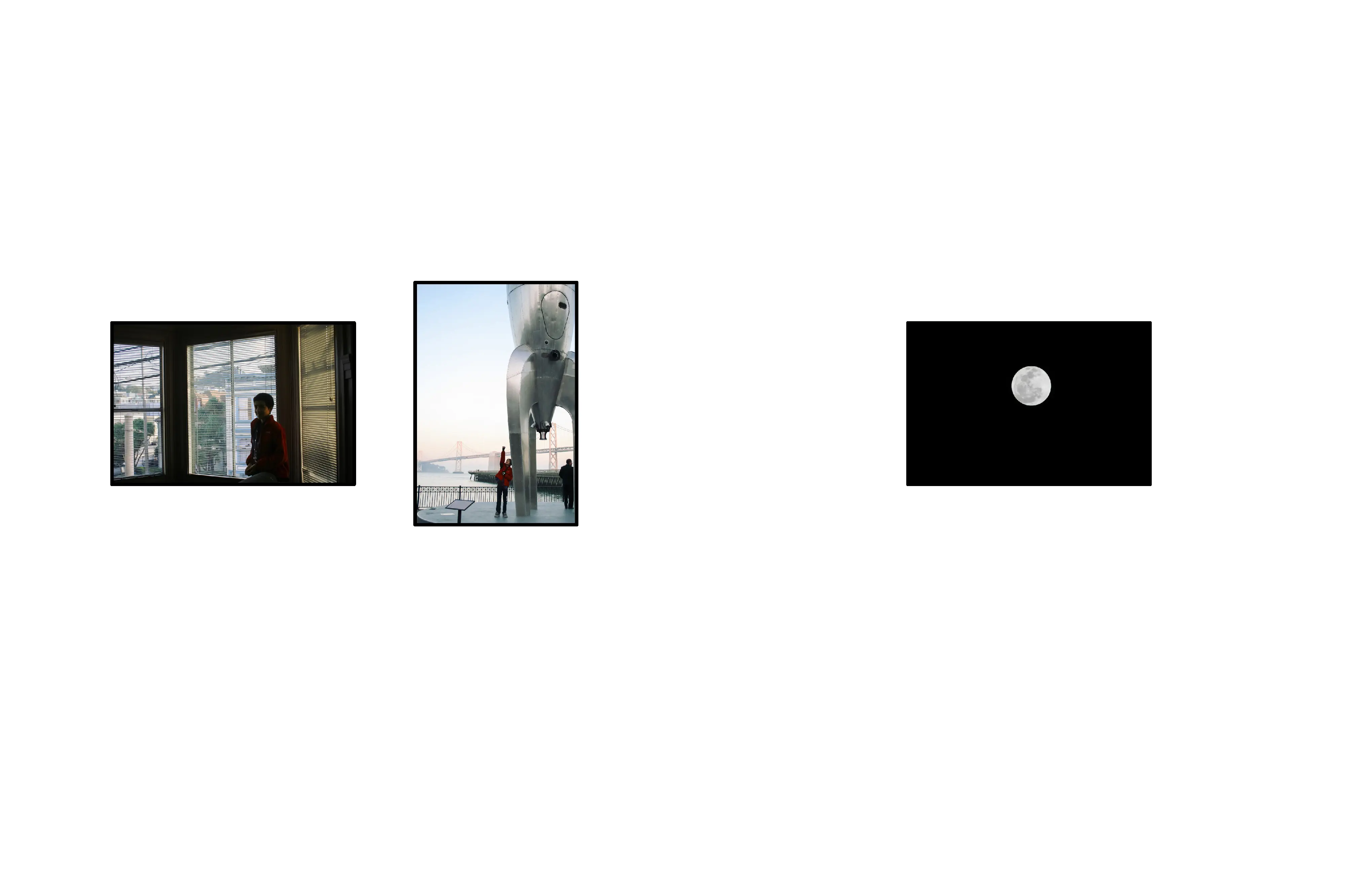
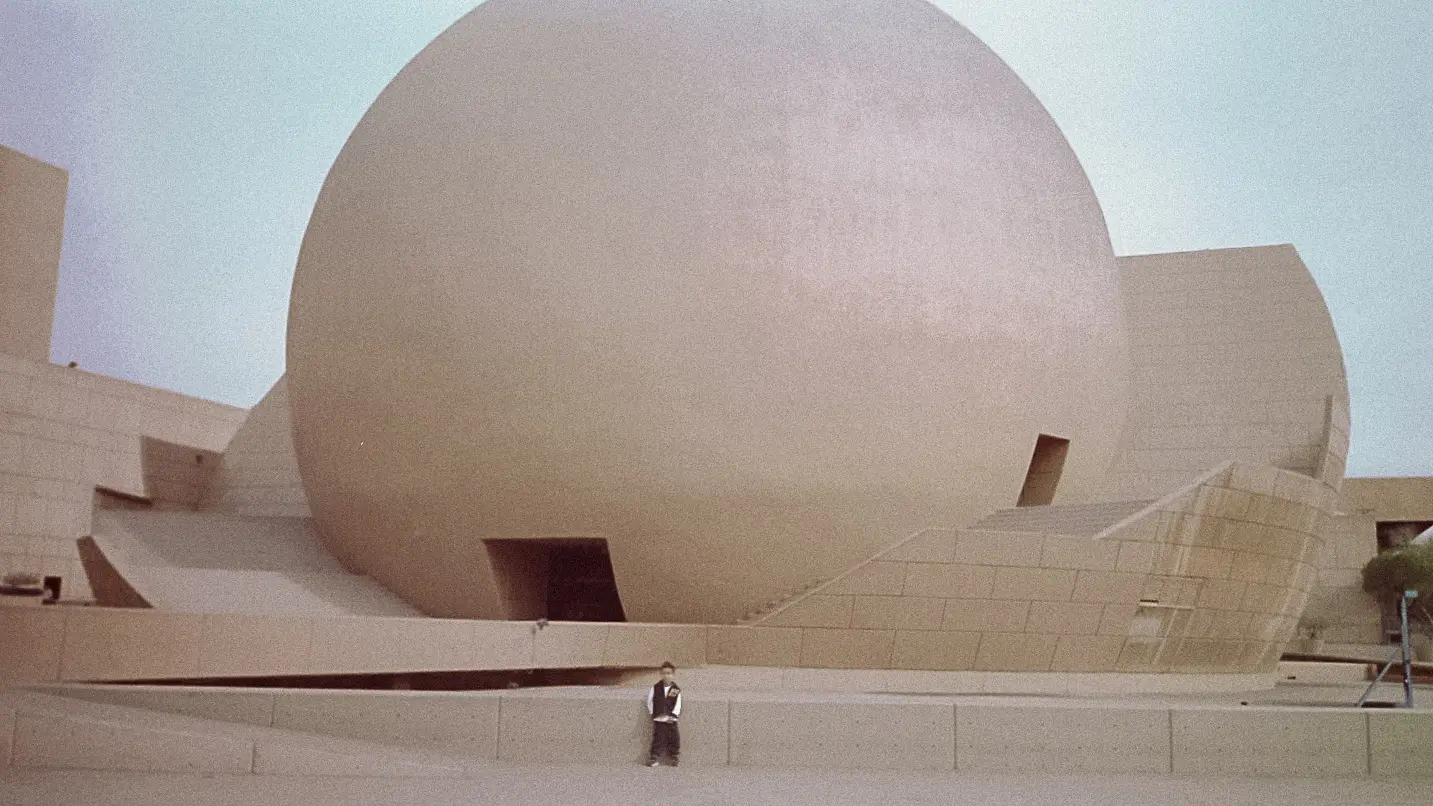
Pero este proyecto no es sobre esa negación que el tiempo se encargó de desmentir. Es sobre lo que encontré — o más bien lo que no encontré — al buscar las imágenes que dieran cuenta de esos años. Durante la infancia de Alexis, yo no tenía práctica fotográfica. Las pocas imágenes que sobreviven son vernáculas: de baja resolución, con encuadres casuales, la torpeza de quien fotografía sin saber que algún día esas imágenes serán lo único que quede de un tiempo que no vuelve.
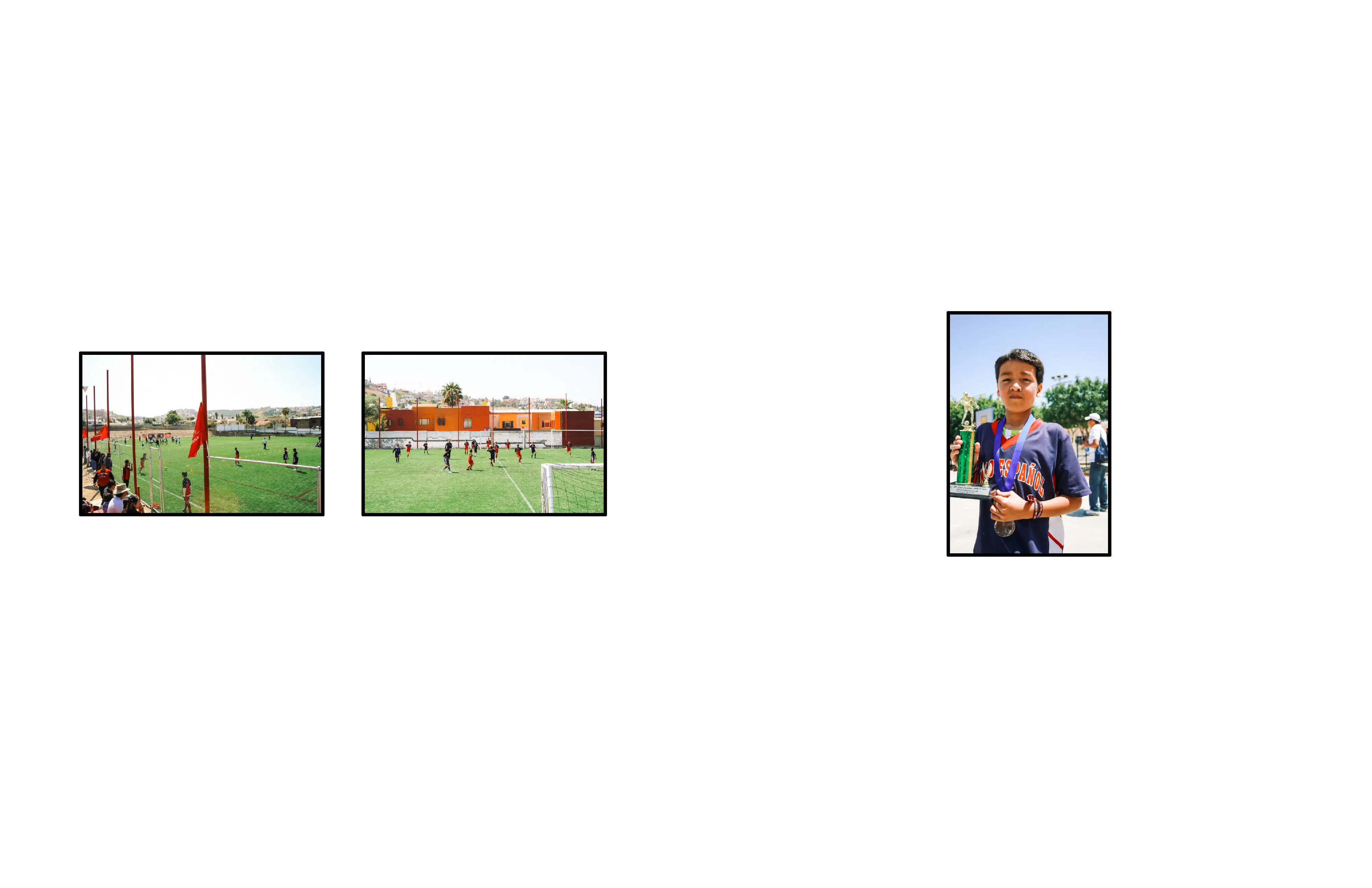
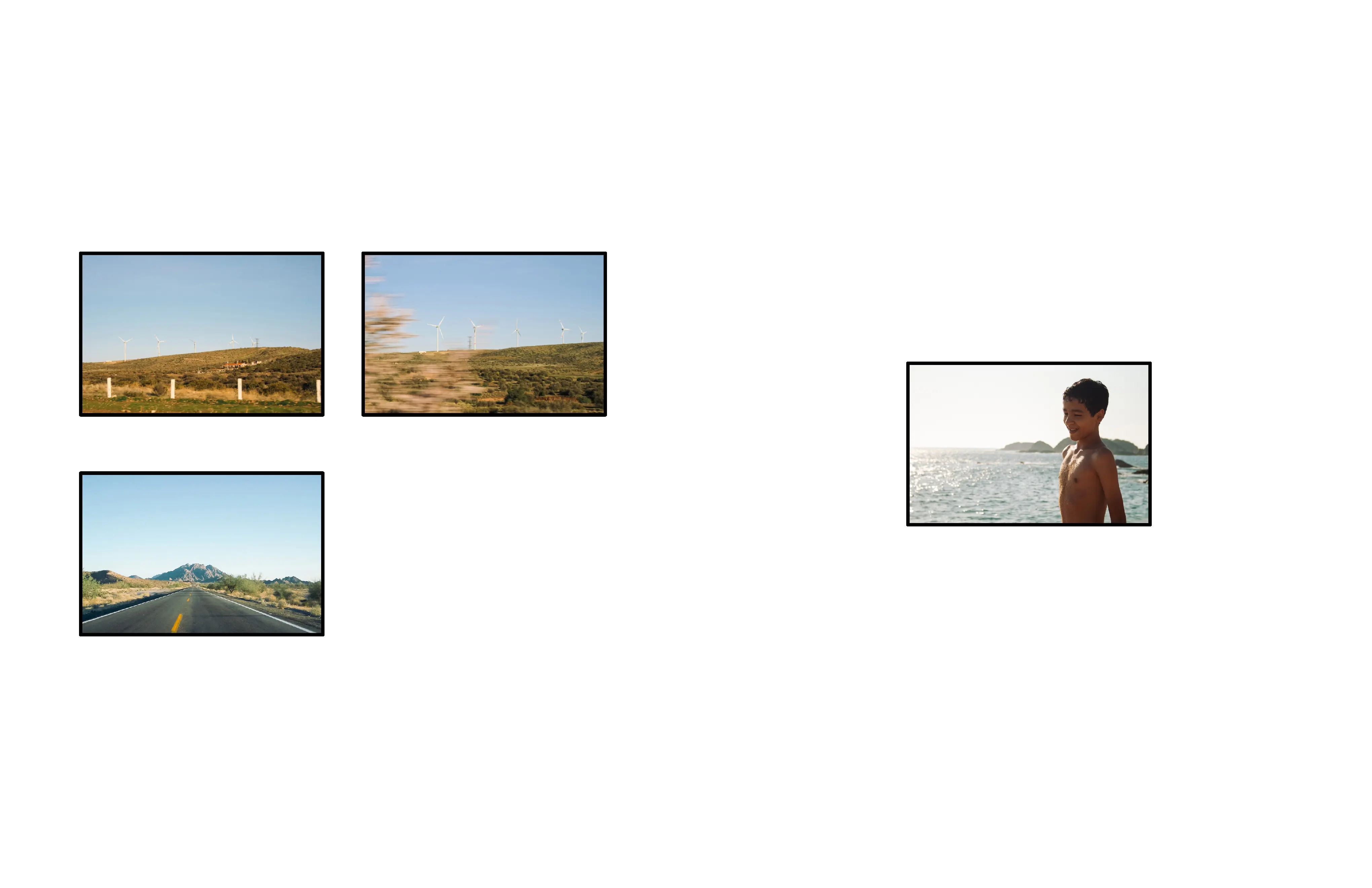
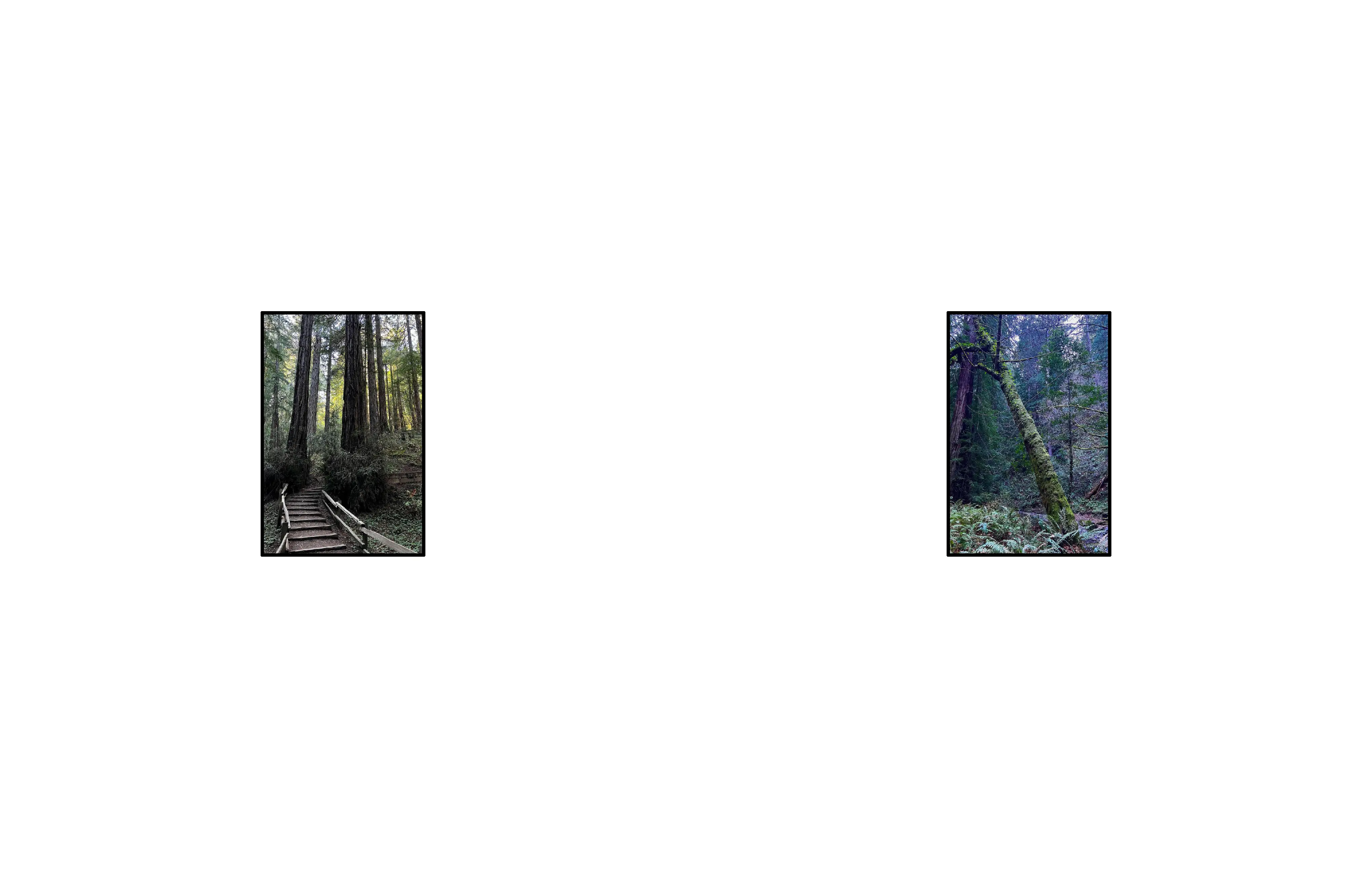
_Nunca me voy a transformar en ti_ está dispuesto como un álbum familiar — pero un álbum que no disimula sus vacíos. Lo que falta pesa tanto como lo que está. Cada hueco señala un momento que ocurrió sin que nadie lo detuviera: una tarde cualquiera, un gesto que ya no recuerdo con precisión, el crecimiento lento que solo se advierte cuando ya sucedió. Hay una crueldad silenciosa al descubrir que los años más importantes fueron también los menos registrados.
Las imágenes que existen son fragmentarias, insuficientes, imperfectas. No intento corregirlas ni completar lo que no se capturó. Las dispongo tal como llegaron a mí — con toda su precariedad — y dejo que los espacios en blanco hablen de aquello que la memoria insiste en conservar, pero que la fotografía nunca alcanzó.
Es, al final, un registro de dos ausencias que se espejan: la del hijo, que inevitablemente se transforma en aquello que juró no ser, y la del padre, que no tuvo la cámara cuando debió tenerla. Una llegó con el tiempo. La otra, el tiempo ya no puede reparar.